
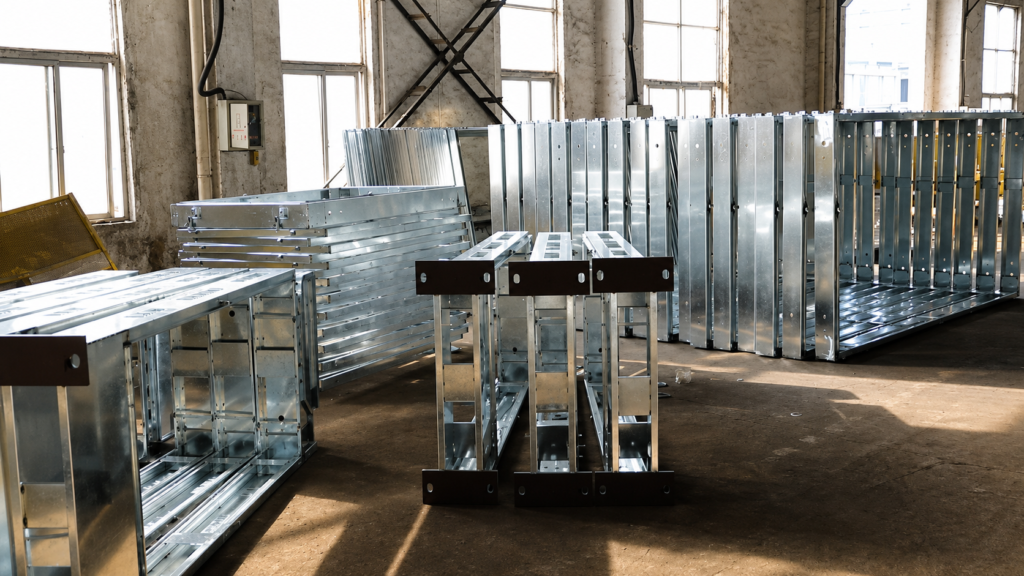
SEO Title: How to Prevent Rust on Outdoor Metal Furniture
Meta Description: Learn how to prevent rust on outdoor metal furniture with material selection, surface treatment, coating details, installation planning and maintenance.
URL Slug: how-to-prevent-rust-outdoor-metal-furniture
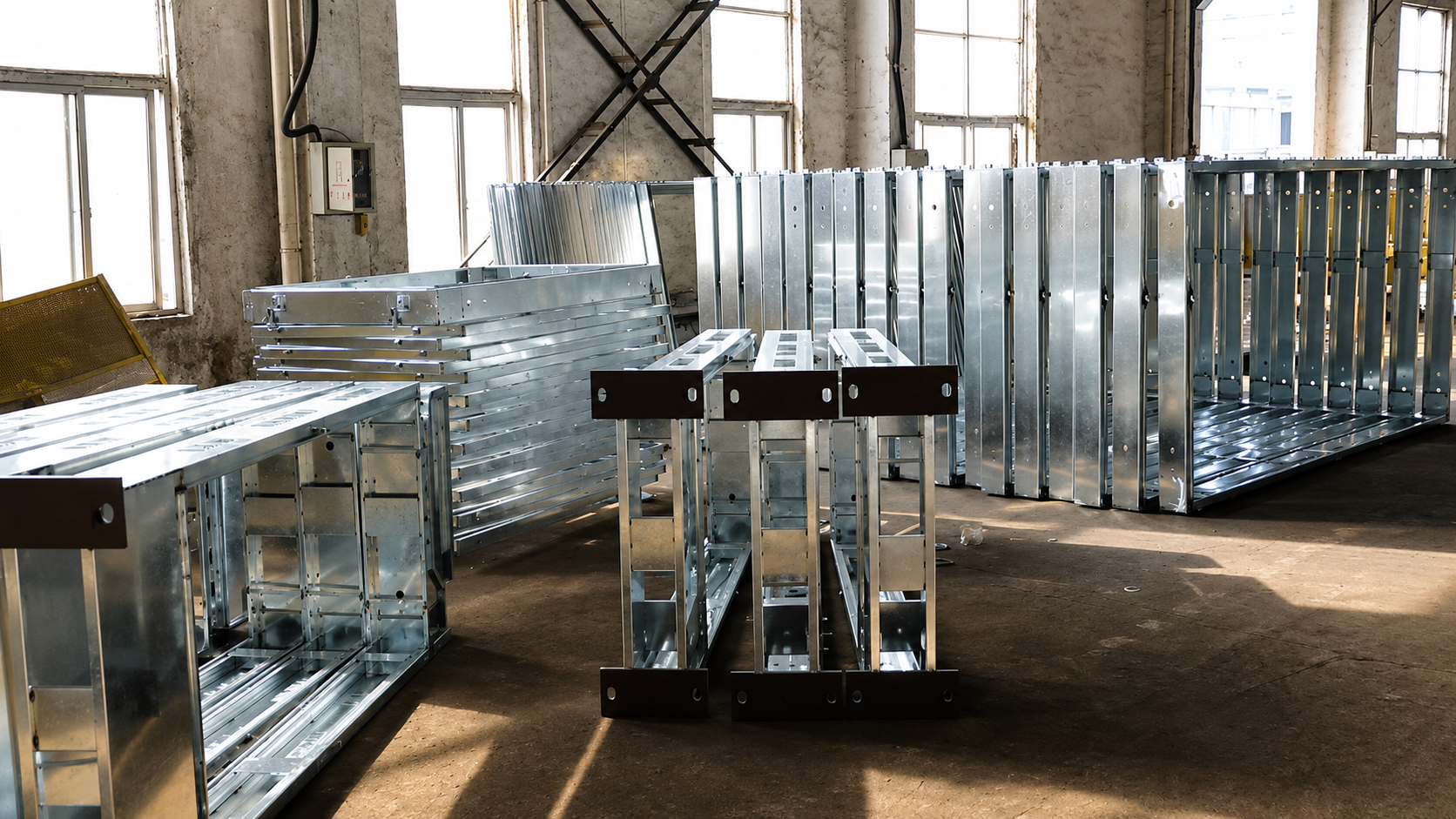
Rust is one of the most common concerns when buying outdoor metal furniture for parks, schools, commercial plazas and municipal projects. The risk is higher when products are installed in humid, coastal or high-rainfall environments. Buyers often ask for “anti-rust furniture,” but the real solution is a combination of material choice, surface treatment, design details, installation and maintenance.
Understand Where Rust Starts
Rust often begins at damaged coating areas, cut edges, weld seams, drainage traps, fastener points or places where water remains for a long time. A product can look good at delivery but still fail early if the design allows water to collect or if the coating process is not suitable for the environment.
Choose the Right Base Material
| Material | Rust / Corrosion Consideration | Buyer Notes |
|---|---|---|
| Carbon steel | Needs proper surface treatment for outdoor use | Common and strong, but coating quality is critical. |
| Galvanized steel | Improved corrosion resistance | Useful for humid or high-rainfall areas. |
| Stainless steel | Good corrosion resistance depending on grade | Consider for fasteners, legs or high-risk components. |
| Aluminum | Does not rust like steel, but can corrode in some environments | Good for lightweight and coastal applications when designed correctly. |
Specify the Surface Treatment Clearly
A vague requirement such as “powder coated” is not enough for many outdoor projects. Buyers should ask about pre-treatment, primer, galvanizing, coating type, coating thickness [replace with actual data], color standard and inspection method. For severe environments, a combined system such as galvanizing plus powder coating may be considered.
Important coating questions
- Is the metal cleaned and pre-treated before coating?
- Are welds and edges treated carefully?
- What coating type and thickness are used?
- Are stainless fasteners available?
- Can the supplier provide color and finish samples?
- How should coating damage be repaired on site?
Design Details That Reduce Rust Risk
Good design helps water leave the product quickly. Avoid hidden water traps, unsealed hollow tubes, sharp untreated edges and direct metal contact that may create corrosion risk. Drainage holes, capped tube ends and smooth weld finishing can make a major difference in outdoor durability.
Installation and Maintenance
Even a good coating can fail if furniture is dragged on concrete, installed in standing water or scratched during assembly. Buyers should request installation instructions and advise contractors to protect coated surfaces during handling. Maintenance should include regular cleaning, inspection of scratches and timely repair of damaged coating.
| Risk Area | Prevention Method | Procurement Action |
|---|---|---|
| Coating scratches during shipment | Protective packaging and separated hardware | Ask for export packing details. |
| Water accumulation | Drainage-friendly structure design | Review drawings before production. |
| Coastal corrosion | Enhanced material or coating system | Share project location and salt exposure. |
| Fastener corrosion | Stainless or coated fasteners | Specify hardware material. |
| On-site damage | Repair guidance and spare coating if applicable | Ask for maintenance instructions. |
What to Include in Your RFQ
- Project location and climate
- Expected service environment: park, school, plaza, coastal area or transit site
- Material preference
- Surface treatment requirement
- Color and finish standard
- Installation method
- Packaging and shipping destination
- Maintenance or warranty expectations
FAQ
Can powder coating stop rust?
Powder coating helps protect metal, but it must be supported by proper pre-treatment, edge protection and maintenance. In harsh climates, additional anti-corrosion processes may be needed.
Is galvanized steel better for outdoor furniture?
Galvanized steel usually provides stronger corrosion protection than untreated steel, especially in humid conditions. It can also be combined with powder coating depending on the project.
Should stainless steel be used for all outdoor furniture?
Not always. Stainless steel can be useful for components and high-risk areas, but the best choice depends on design, budget, environment and appearance requirements.
How can export packaging help prevent rust?
Good packaging prevents coating scratches, moisture exposure and metal-to-metal friction during shipping. Damaged coating during transport can become a rust starting point.
What maintenance is needed after installation?
Regular cleaning, inspection of scratches, fastener checks and timely coating repair help extend service life. Maintenance frequency should match the climate and use intensity.
Internal Link Suggestions
CTA
Need outdoor metal furniture for a humid, coastal or high-traffic project? Send Yubang Outdoor your project location, product type, quantity and installation conditions. We can help suggest materials, surface treatment and packaging options for your RFQ.
Related Anti-Rust Products and Surface Treatment Resources
- custom metal outdoor benches – with outdoor finish options
- custom metal outdoor trash bins – for public space and municipal projects
- custom road guardrails and barriers – for outdoor public safety projects
- materials and surface treatment – for galvanizing, powder coating and finish selection
